
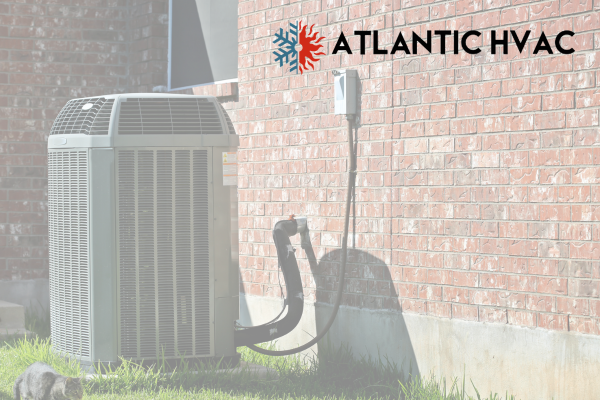
Air conditioning problems do not always begin with a complete system breakdown. In many cases, an AC unit will show warning signs before it stops working altogether. Recognizing when you may need air conditioner repair in Georgia can help you address smaller problems early, avoid unexpected discomfort, and potentially prevent more extensive damage.
Georgia’s heat can place significant demand on an air conditioning system. If your AC is behaving differently than usual, it may be time to have it inspected. Here are seven common signs that your air conditioner may need professional attention.
1. Your Home Is Not Cooling Evenly
Are some rooms comfortable while others remain warm? If your upstairs is hotter than downstairs, several airflow or system issues may be contributing to the problem. Uneven cooling may indicate that your air conditioner is not distributing air properly throughout the home.
The issue could be related to restricted airflow, ductwork problems, a dirty filter, or an AC system that is struggling to keep up. Closed or blocked vents can also affect room temperatures, so check that vents are open and unobstructed.
If the temperature differences continue, an HVAC technician can inspect the system and determine what is interfering with its performance.
2. The Air Coming From the Vents Feels Weak
Your air conditioner may be running, but the airflow from the vents should still feel steady. Weak airflow can make it difficult for the system to cool your home effectively and may cause it to run longer than necessary.
Reduced airflow can be caused by several issues, including:
- A clogged air filter
- Blocked or leaking ductwork
- A problem with the blower motor
- Dirt buildup inside the system
- Frozen components
Replacing a dirty filter may improve airflow. However, if the problem continues, a professional should evaluate the system.
3. Your AC Is Blowing Warm Air
Warm air coming from the vents is one of the clearest signs that something is wrong. Before scheduling a repair, make sure the thermostat is set to “cool” and that the temperature setting is lower than the current indoor temperature.
If the settings are correct but the air still feels warm, the system may have a refrigerant issue, a dirty outdoor unit, a failing component, or another mechanical problem. Continuing to run the AC without correcting the issue could place additional strain on the equipment.
4. The System Is Making Unusual Noises
Air conditioners naturally make some noise when starting, running, and shutting down. New or unusually loud sounds, however, should not be ignored.
Different noises can point to different problems:
- Banging or clanking may indicate a loose or damaged component.
- Squealing may be related to a belt, motor, or bearing.
- Buzzing may suggest an electrical or mechanical issue.
- Rattling may be caused by loose panels, debris, or worn parts.
- Hissing may indicate an air or refrigerant leak.
Turning the system off and arranging an inspection may help prevent a loose or damaged part from creating a larger repair.
5. Your Air Conditioner Turns On and Off Frequently
An AC system normally cycles on and off throughout the day. If it begins turning on and shutting off every few minutes, it may be experiencing a problem known as short cycling.
Short cycling prevents the system from completing a normal cooling cycle. It can also increase wear on AC components and make it harder to maintain a comfortable indoor temperature.
Potential causes include a dirty filter, thermostat problems, electrical issues, frozen coils, or
a system that is improperly sized for the home. Because frequent cycling can have several causes, a professional inspection is usually the best way to identify the problem.
6. Your Energy Bills Have Increased Unexpectedly
Electricity costs can rise during especially hot weather, but a sudden increase without a clear explanation may indicate that your air conditioner is losing efficiency.
A struggling system may run longer or cycle more frequently to reach the thermostat setting. Dirty components, airflow restrictions, leaking ductwork, worn parts, or neglected maintenance can all cause the AC to use more energy than usual. Following a few energy-efficient cooling practices may help reduce unnecessary strain, but an unexplained increase in electricity use could indicate that the system needs professional attention.
Compare your current utility bills with bills from similar months in previous years. If your energy use has increased significantly without a change in your routine, your air conditioner may need maintenance or repair.
7. You Notice Water or Excess Moisture Near the Unit
Your air conditioning system removes moisture from the indoor air as it cools your home. That moisture should drain away through the system’s condensate line.
Water pooling around the indoor unit may be caused by a clogged drain line, a damaged drain pan, or frozen components that are beginning to thaw. Moisture problems should be addressed promptly because they can damage nearby flooring, ceilings, walls, or insulation.
A small amount of condensation near certain components may be normal, but standing water or repeated leaking is a reason to call an HVAC professional.
Do Not Wait for a Complete AC Breakdown
Air conditioners often show signs of trouble before they stop working. Weak airflow, unusual sounds, warm air, frequent cycling, rising utility costs, and moisture around the equipment can all indicate that the system needs attention.
If an older air conditioner needs frequent repairs or continues to lose efficiency, it may also be worth comparing the cost of another repair with the potential benefits of upgrading the system.
Scheduling an inspection when you first notice a change may allow a technician to identify the problem before it becomes more disruptive. Early repairs can also help reduce unnecessary strain on the system and keep your home more comfortable during Georgia’s hottest months.
Have Your Air Conditioner Checked by Atlantic HVAC
If your air conditioner is no longer cooling properly or is showing signs of a developing problem, Atlantic HVAC can help. The team can inspect your system, identify the source of the issue, and recommend an appropriate repair based on the condition of your equipment. Contact Atlantic HVAC to schedule AC service and help keep your Georgia home comfortable before a minor issue turns into a complete system failure.